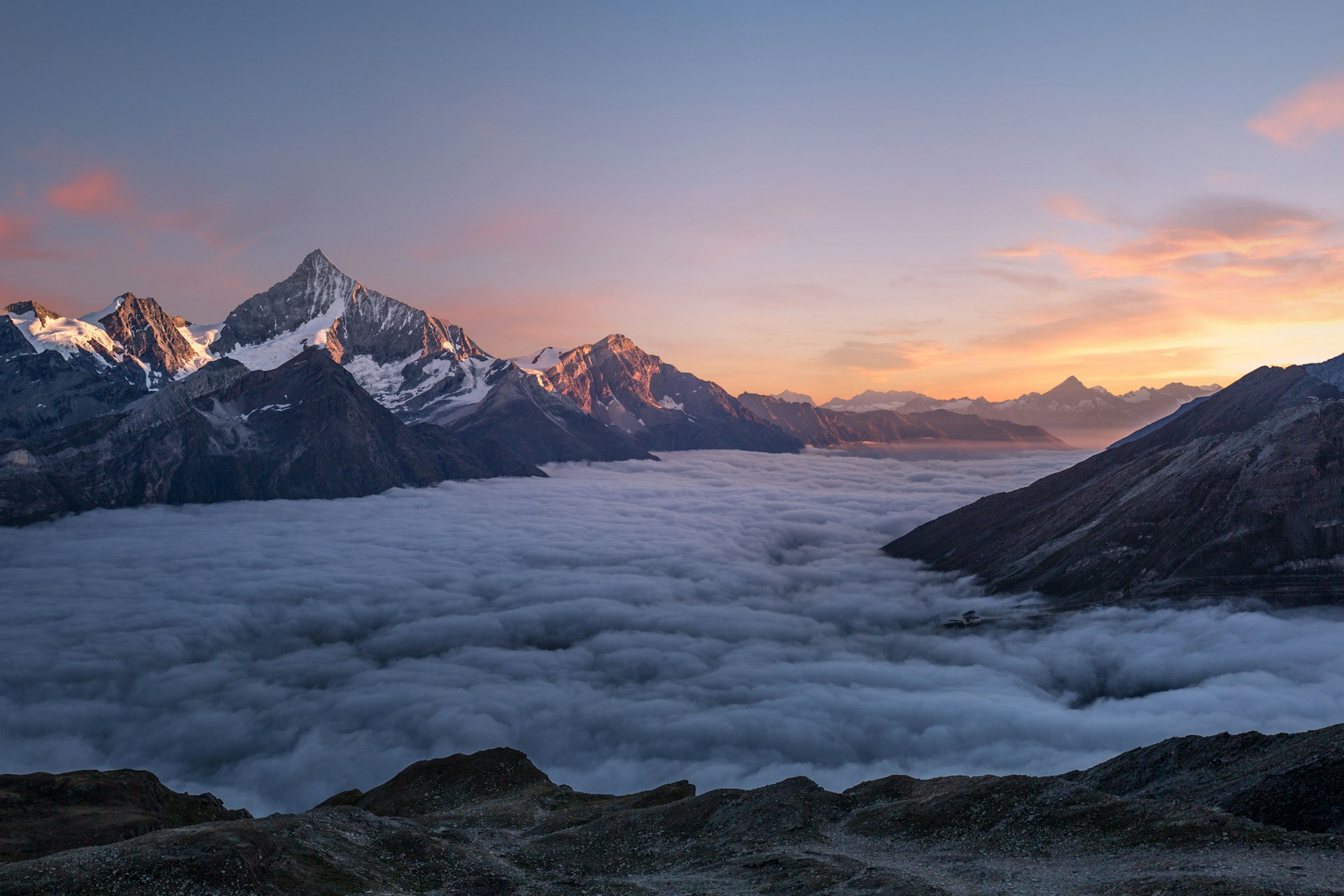
The Tauern Radweg is a tale of two halves. The first half, starting from the Krimml Waterfalls, is proper mountain cycling - narrow valleys, dramatic scenery, and terrain that demands attention. The second half, following the Salzach River valley, is a long, gentle glide toward Salzburg that feels almost effortless after what came before.
I first rode this route in 2020, during that strange summer when everything felt uncertain. Looking for space and solitude, I found both in abundance along the upper Salzach. Some days I didn't see another cyclist for hours. The mountains didn't care about the chaos in the outside world. They just stood there, enormous and indifferent, as they had for millennia.
Starting Point: Krimml and Europe's Highest Waterfalls
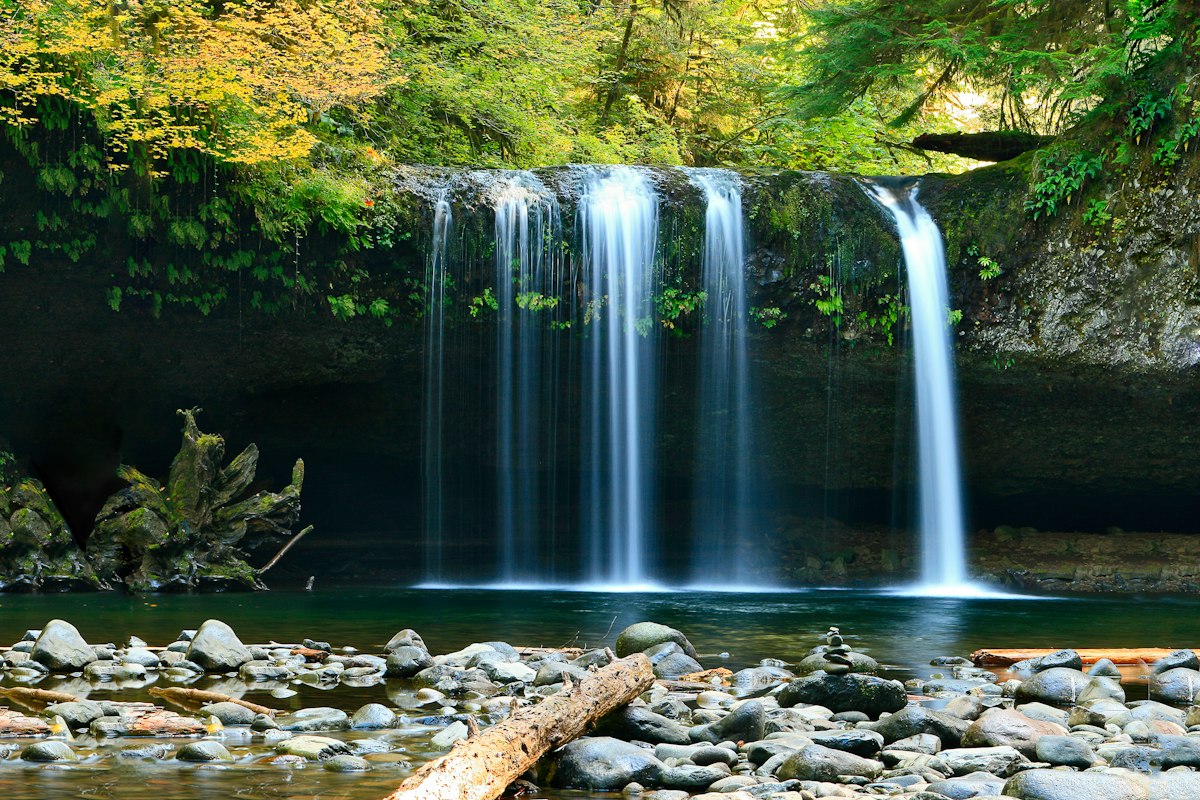
The Krimml Waterfalls drop 380 meters in three stages - Europe's highest. They're impressive in the way that certain natural features are impressive: even seeing them in photos beforehand doesn't prepare you for the scale. The spray reaches you from hundreds of meters away. The sound is a continuous, white-noise roar that somehow makes everything else quieter.
I always recommend arriving in Krimml the day before you start cycling. The falls deserve a proper visit - there's a hiking trail that follows the cascade up through forest, with viewing platforms at various stages. It takes 3-4 hours round trip and leaves you appropriately humbled before you get on a bike.
Getting to Krimml requires some logistics. The nearest train station is in Zell am See (40km away), from where buses run to Krimml. If you're bringing your own bike, the bus has limited capacity and booking ahead is wise. Alternatively, rent a bike in Zell am See and add that stretch to your ride - it's a scenic warm-up through the Ziller Valley.
The Upper Section: Krimml to Mittersill (Day 1-2: ~45km)
The first two days of the Tauern Radweg are its most demanding. You're in high alpine territory here, with the Hohe Tauern peaks visible in every direction. The path climbs steadily through the Krimmler Achental - a narrow valley that squeezes between massive mountains.
Don't let the "it's mostly downhill" marketing fool you. Yes, the overall gradient favors your direction, but there are significant climbs in this section, and the altitude (you're above 1,000m for much of it) makes everything harder. I found myself breathing heavily on grades that would feel easy at sea level.
The scenery, though. The scenery makes up for everything. The Hohe Tauern National Park surrounds you - Austria's largest protected area, home to the country's highest peaks. Glaciers glint on distant summits. Marmots whistle warnings from rocky outcrops. The Salzach River, which you'll follow for the next 200+ km, begins here as a rushing mountain torrent.
Weather Warning
Mountain weather is unpredictable, even in summer. I've experienced hail in July at these elevations. Carry rain gear and a light fleece layer regardless of the forecast. Check conditions at the Krimml visitor center before departing.
Mittersill: Gateway Town
Mittersill sits at the junction of several valleys, making it a natural stopping point. It's a working town rather than a tourist destination - supermarkets, bike shops, normal Austrian life. I appreciate this after the dramatic intensity of the upper valley. Good, affordable accommodation and real food at reasonable prices.
The National Park visitor center here is worth an hour if you're interested in the region's ecology. Well-designed exhibits explain the glacial geology, wildlife, and conservation efforts. They also have detailed maps showing cycling routes through the area.
The Middle Section: Mittersill to Schwarzach (Day 3-4: ~70km)
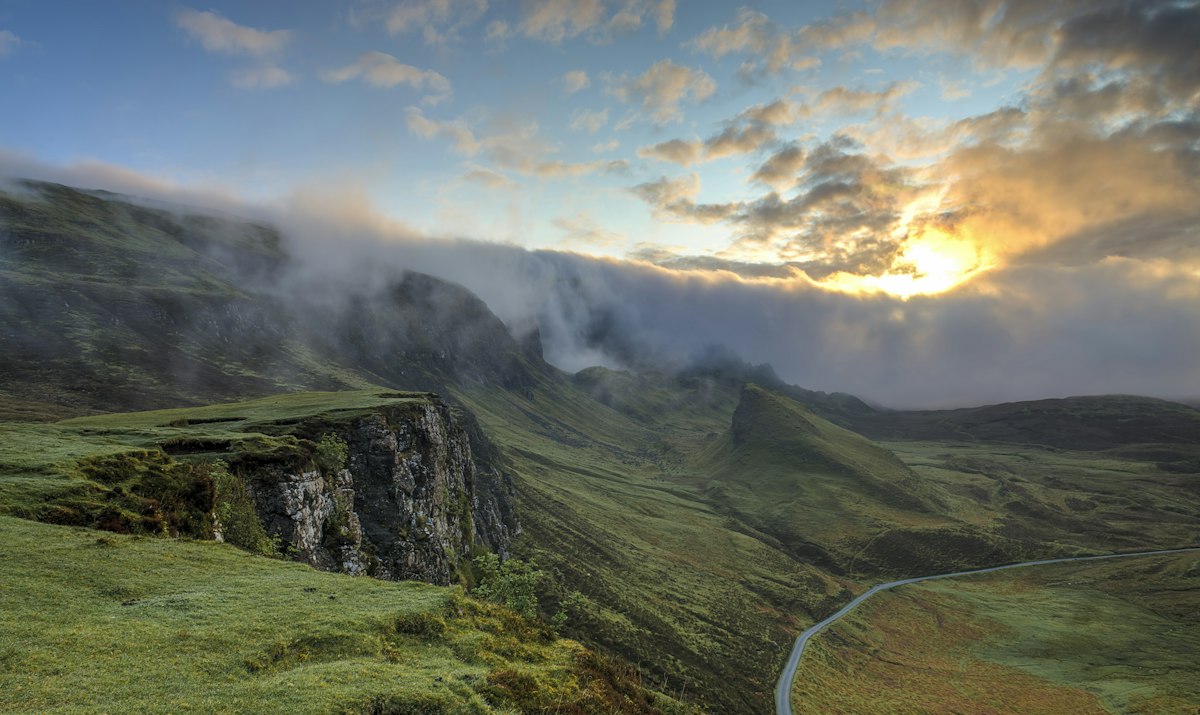
Now the character of the ride begins to change. The valleys widen, the gradient eases, and the Salzach grows from mountain stream to proper river. This section passes through the heart of the Pinzgau - a region of broad meadows, traditional farms, and increasingly prosperous-looking towns.
Zell am See makes an obvious stop - a lake town with a classic Austrian feel. The Zeller See is warm enough for swimming in summer, and the town has a lively promenade. But I prefer pushing through to quieter spots. Kaprun, just south of Zell, sits at the foot of the Kitzsteinhorn glacier - less crowded, more interesting architecture, and excellent food at the local Gasthofs.
The Gastein Valley Detour
At Schwarzach, you face a choice: continue on the main route, or detour south into the Gastein Valley. I've done both, and strongly recommend the detour if you have an extra day.
Bad Gastein is unlike anywhere else in Austria - an old spa town built vertically into a cliff face, with a spectacular waterfall crashing through its center. Grand Belle Époque hotels stand half-abandoned next to modern boutique properties. It's simultaneously faded and fashionable, melancholic and beautiful. The thermal baths are excellent after days of cycling.
The detour adds about 40km and significant climbing, but rewards with scenery and atmosphere you won't find on the main route.
The Lower Section: Schwarzach to Salzburg (Day 5-7: ~100km)
The final hundred kilometers are pure cycling joy. The Salzach valley flattens into a broad, glacier-carved corridor. The path is wide, well-maintained, and mostly traffic-free. You've earned this - after the demands of the upper sections, coasting toward Salzburg feels like a victory lap.
The towns here have a different character - more prosperous, more Austrian-neat. Bischofshofen, St. Johann im Pongau, Werfen - each has its church spire, its central square, its bakery with local specialties. I never tire of stopping for coffee and cake in these places, watching local life happen around me.
Werfen and the Ice Caves
If you're not in a hurry (and you shouldn't be), Werfen deserves at least half a day. The Eisriesenwelt - world's largest accessible ice cave - is here, reachable by cable car and a short hike. Also worth noting: the castle above Werfen was used in the "Do-Re-Mi" scenes of The Sound of Music, if that means anything to you.
Arriving in Salzburg
The approach to Salzburg along the Salzach is one of my favorite cycling arrivals anywhere. The city emerges gradually - suburbs give way to the old town, the fortress rises on its hill, Mozart's birthplace and all its attendant history comes into view. After days in the mountains, the human scale and cultural density of Salzburg feels almost overwhelming.
I usually spend at least two nights in Salzburg after completing the route. There's excellent cycling within the city - car-free zones, riverside paths, and quiet lanes through the suburbs. But mostly I just walk, eat well, and appreciate being somewhere that has coffee shops and bookstores and all the small urban pleasures that mountains don't provide.
Practical Information
When to Ride
The season is shorter here than on the Danube. June through September is reliable, with July and August being peak season. Late June offers long days and wildflowers; September brings autumn colors and fewer crowds. Early June and late September are possible but risky - mountain passes can still have snow, and some services may be closed.
Difficulty Assessment
The Tauern Radweg is harder than the Danube path but easier than a pure mountain cycling route. Most reasonably fit cyclists can manage it, but don't underestimate the altitude and the distances. E-bikes are popular on this route, and rental options exist in major towns.
Bike Requirements
A touring or hybrid bike with low gearing works best. Road bikes are possible but less enjoyable - some sections have unpaved surfaces, and skinny tires limit your options. Bring basic tools and a spare tube; bike shops exist but aren't on every corner in the mountain sections.
Baggage Transfer
Several companies offer luggage transfer services along the route - you cycle unburdened while your bags move from hotel to hotel. I've never used this service (I find the self-sufficiency of carrying my gear appealing), but it's a legitimate option if you want easier cycling without the weight.
Why This Route Stays With Me
The Tauern Radweg gave me something I didn't know I needed that summer of 2020. Days of simple physical effort, nights of deep sleep in mountain villages, and the constant presence of peaks that didn't care about human problems. It reminded me that difficulty and reward are inseparable - that the view from a hard-won summit means more than the view from a chairlift.
The route has a narrative arc that satisfies: from the drama of Krimml's falls, through the challenge of the high valley, to the gentle reward of the lower Salzach. By the time you roll into Salzburg, you've traveled through distinct landscapes and earned your Apfelstrudel.
I'll go back. There are side valleys I haven't explored, peaks I've only seen from below, villages I passed through too quickly. The Tauern Radweg is a corridor through a region that deserves more than one visit.
Further Resources
- Official Tauern Radweg Website - route maps, accommodation, transfers
- Hohe Tauern National Park - information about the protected areas you'll pass through
- Salzburg Tourism - for planning your arrival city
- Komoot Tauern Collection - GPS tracks and segment breakdowns