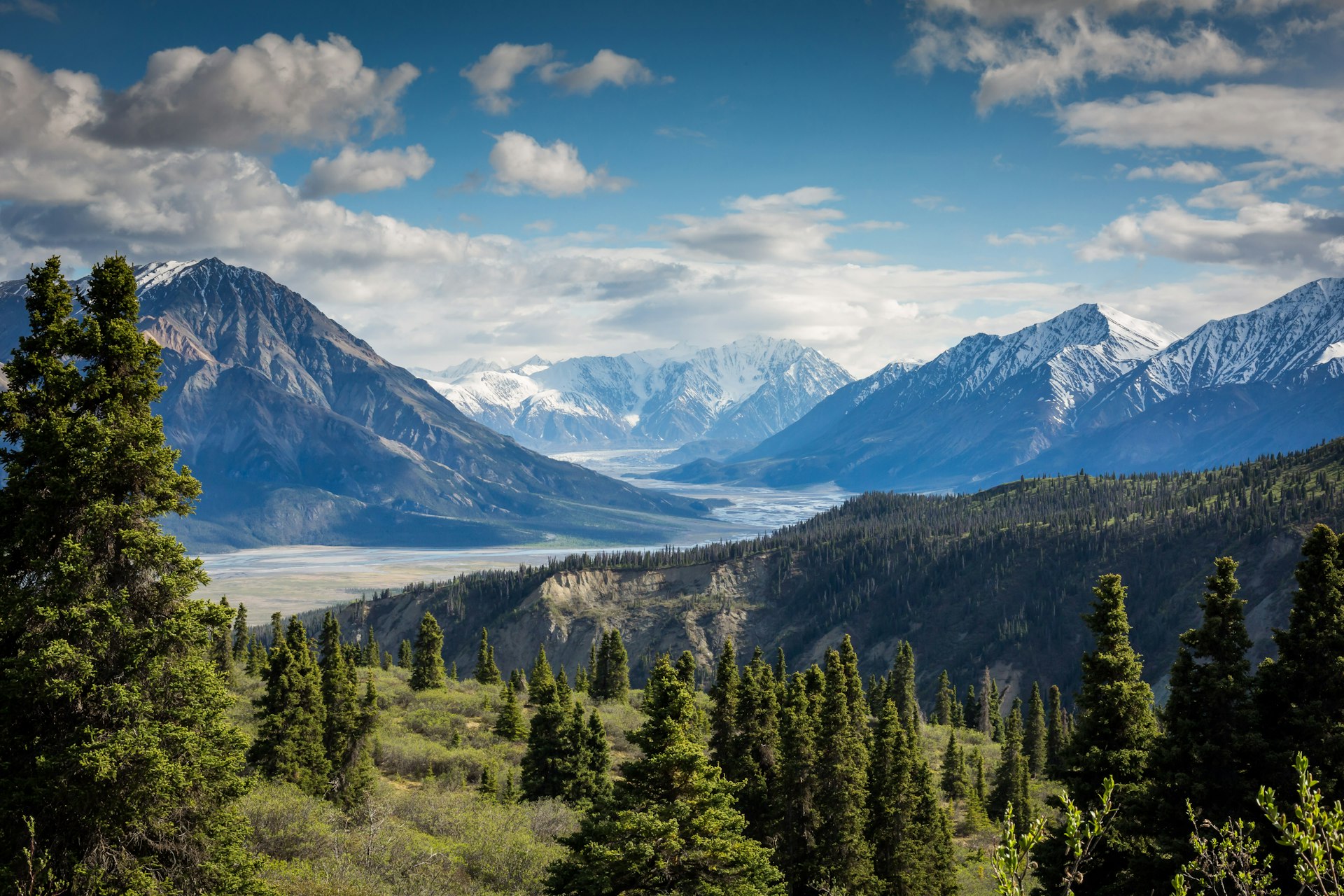
Let me be straight with you: the Salzkammergut humbled me. The tourism brochures show serene lakes and quaint villages, which is accurate enough. What they don't emphasize is that those lakes sit in valleys, and getting from one valley to the next involves climbing. Real climbing.
I came here fresh off the Danube path, feeling confident after five days of flat riverside cycling. The Salzkammergut laughed at my confidence. By the end of day one, my legs had lodged formal complaints. By day three, I'd made peace with being slow and was actually enjoying myself.
Understanding the Region
The Salzkammergut spans parts of Upper Austria, Salzburg, and Styria - a cluster of 76 lakes, each seemingly more photogenic than the last. The area gets its name from the salt mining industry that dominated here for millennia ("Salz" = salt, "Kammergut" = crown property). Salt made this region wealthy, and that wealth built the ornate churches and grand villas you'll see everywhere.
For cyclists, there's no single defined route through the region. You can approach it as a network and create your own loop, which is exactly what I did. My version starts and ends in Bad Ischl - a spa town with excellent train connections to Salzburg and Vienna - and hits the major highlights over 3-4 days.
My Route: The Four-Day Loop
Day 1: Bad Ischl to St. Wolfgang (35km)
Starting easy is strategic here. The ride from Bad Ischl to St. Wolfgang follows the Wolfgangsee and features the region's gentlest terrain. I use this day as a warm-up, knowing what's coming later.
Bad Ischl itself deserves a morning. The Kaiservilla - where Emperor Franz Joseph spent his summers for 60 years - sits in lovely parkland. The town's pastry shops are famous, particularly Zauner, which has been making sweets since 1832. I always grab a Zaunerstollen (chocolate-covered almond roll) for the road.
The ride along Wolfgangsee is flat and scenic, hugging the shoreline with the Schafberg mountain rising dramatically on the opposite bank. St. Wolfgang itself is pure tourist village - cobblestone streets, window boxes overflowing with geraniums, a pilgrimage church with a famous altar by Michael Pacher. Crowded in summer, but beautiful regardless.
Getting to Bad Ischl
Direct trains from Salzburg (2 hours) or Attnang-Puchheim (30 minutes, connect from Vienna). All regional trains accept bikes with a separate bike ticket. The Salzburg route is scenic - the train follows the Wolfgangsee for part of the journey.
Day 2: St. Wolfgang to Hallstatt (45km)
This is the day that separates casual cyclists from committed ones. The route from St. Wolfgang to Hallstatt requires climbing over a ridge between two valleys - specifically, the pass between Bad Goisern and Gosau. It's not technically difficult, but it's relentlessly uphill for about 8km, with gradients reaching 10% in places.
I won't pretend I didn't walk parts of it. My touring bike, loaded with panniers, simply didn't have the gearing for sustained 10% gradients. And you know what? That's fine. Walking your bike up a mountain pass in the Austrian Alps is still a pretty good day.
The descent to Hallstatt is the reward - a long, controlled drop through pine forests with glimpses of the Hallstattersee appearing through the trees. The first time that famous view opens up - the village clinging to a cliff face, the church spire reflected in impossibly clear water, the Dachstein massif looming behind - I actually stopped and just stared.

Day 3: Hallstatt and the Salt Mine
I always recommend a rest day in Hallstatt. Not because the cycling requires recovery (though it helps), but because the village deserves unhurried exploration.
The salt mine tour is fascinating - you descend into tunnels carved over 7,000 years ago, slide down wooden miners' slides, and cross an underground salt lake on a raft. The tour is well-organized despite the tourist crowds, and genuinely educational about the region's history.
For cycling, there's a lovely 20km loop around the Hallstattersee if you want to spin your legs without committing to another major climb. The lakeside path is flat, mostly paved, and offers continuous views across the water.
Day 4: Hallstatt to Bad Ischl (45km)
The return route follows the valley floor along the Traun river - a welcome change from the climbing of day two. This is cruising terrain: gentle downstream gradients, well-maintained paths, and charming villages every 10-15km.
Stop in Bad Goisern for lunch. It's a market town rather than a tourist destination, which means cheaper food and more authentic local atmosphere. The Gasthaus Moserwirt has been serving traditional food for over 400 years and doesn't particularly care if you're wearing cycling kit.
Arriving back in Bad Ischl feels like completing a circuit - the same pastry shops, the same riverside cafes, but now you've earned them.
What Made This Route Special
The Salzkammergut challenged me in ways the Danube path didn't. There were moments - usually somewhere around kilometer five of a climb - when I questioned my choices. But those moments make the highlights brighter. Coasting into Hallstatt after hours of climbing doesn't just look beautiful; it feels earned.
The lakes themselves have a different character here than in other alpine regions I've visited. They're intimate - many of them small enough that you can see the opposite shore in detail, clear enough that you can watch fish swim meters below the surface. The water ranges from emerald to turquoise depending on depth and time of day.
Practical Considerations
Fitness Requirements
This route demands more than the Danube. You should be comfortable with sustained climbing and have realistic expectations about your pace. With full panniers, I averaged about 35km per day here versus 60-70km on the Danube. That's not a failure; that's the terrain.
E-Bike Option
I'll say something potentially controversial: an e-bike makes sense here. The climbs are substantial, the scenery deserves your attention more than your oxygen debt, and rental e-bikes are readily available in Bad Ischl and other towns. No shame in it. You're still riding a bike through the Alps.
Best Time to Visit
June and September offer the best balance of weather and crowds. July and August are brutally busy, especially in Hallstatt - we're talking selfie sticks, tour groups, waiting lists for restaurants. May can work but expect cooler temperatures and occasional snow on higher passes.
Crowd Avoidance
Hallstatt's day-trippers arrive around 10am and leave by 6pm. Stay overnight and you'll have the village nearly to yourself in early morning and evening. Those quiet hours are worth the accommodation cost.
Accommodation
Book ahead, especially in Hallstatt where beds are limited. St. Wolfgang and Bad Ischl have more options and generally lower prices. Gasthofs and small hotels range from 60-100 EUR per night. Budget hostels exist but are sparse in this region.
Would I Recommend It?
Absolutely - but with appropriate expectations. This isn't a relaxed riverside cruise. It's a proper cycling challenge with proper rewards. Come prepared for climbing, allow extra time in your schedule, and don't feel bad about taking breaks.
The Salzkammergut gave me some of my best cycling memories. The view descending into Hallstatt. Swimming in Wolfgangsee after a hot day of riding. Coffee at a lakeside cafe in Bad Ischl, watching the sunset paint the mountains pink. These moments stay with you.
Further Resources
- Official Salzkammergut Tourism - comprehensive regional information
- Hallstatt Official Site - accommodation, attractions, salt mine tours
- Outdooractive Route Collection - GPS tracks and alternatives